Bitcoin's Influence on No Deposit Bonus Structures Within NetEnt and Microgaming Frameworks
Uma Bennett · Aug 19, 2026
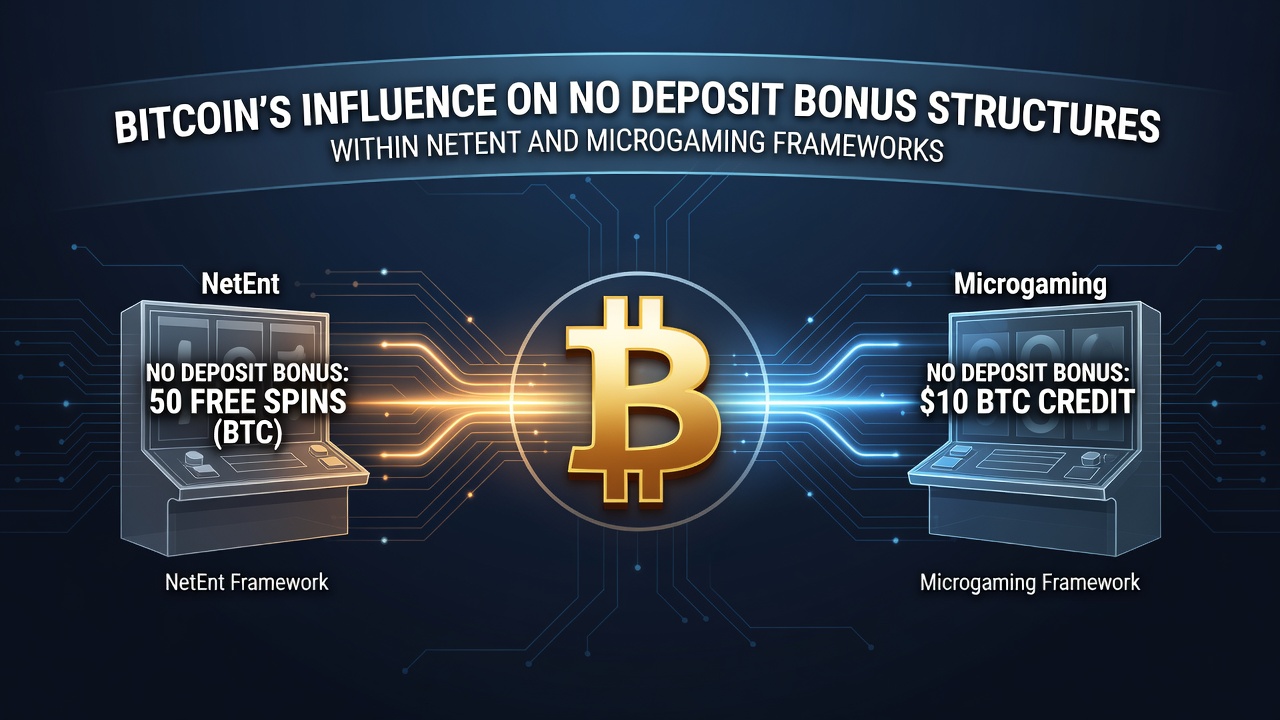
Bitcoin's Influence on No Deposit Bonus Structures Within NetEnt and Microgaming Frameworks
Bitcoin has altered transaction speeds and cost structures in online gaming platforms, which in turn affects how NetEnt and Microgaming handle no deposit bonuses across their casino networks. These software providers integrate cryptocurrency options that allow operators to adjust bonus parameters because of reduced processing times and lower fees compared to traditional payment methods. Data from industry reports show increased adoption rates since 2024, with operators noting shifts in wagering requirements and bonus validity periods when Bitcoin becomes the primary settlement method.
Transaction Efficiency and Bonus Adjustments
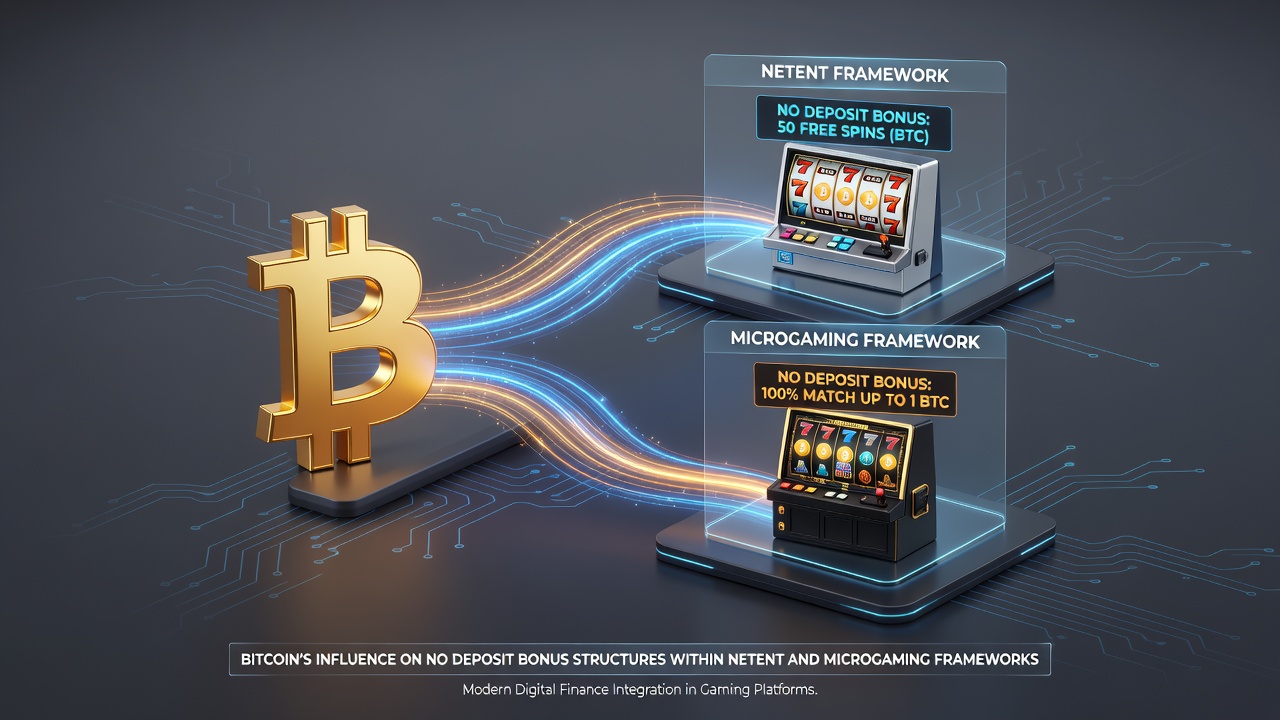
NetEnt frameworks now support Bitcoin deposits that clear in minutes rather than days, and this speed prompts operators to extend no deposit bonus durations or modify playthrough conditions accordingly. Microgaming platforms similarly observe patterns where faster fund movements reduce the need for strict time limits on bonus usage, since players complete requirements more quickly. Research from gaming analytics firms indicates that average bonus values tied to cryptocurrency accounts have risen by 15 to 20 percent in select markets during the first half of 2026, reflecting lower operational overheads passed on to users.
NetEnt Specific Adaptations
NetEnt titles such as Starburst and Gonzo's Quest appear in environments where Bitcoin integration leads operators to offer no deposit bonuses with reduced minimum bet thresholds, because transaction costs drop significantly. Those who manage these platforms report that volatility concerns around Bitcoin prices encourage shorter validity windows for some bonuses, yet others extend access periods to accommodate fluctuating exchange rates. Observers note that NetEnt-powered casinos in regulated European jurisdictions have documented higher redemption rates when Bitcoin serves as the funding vehicle, prompting recalibration of bonus caps to maintain compliance with local guidelines.
Microgaming Frameworks and Cryptocurrency Shifts
Microgaming systems, including titles like Immortal Romance and Thunderstruck II, integrate Bitcoin options that influence no deposit bonus structures through changes in verification processes and payout timelines. Because blockchain confirmations provide transparent records, some operators relax identity checks for smaller bonus amounts, which accelerates player onboarding. Figures from Canadian regulatory summaries reveal that Microgaming casinos utilizing Bitcoin saw a 12 percent uptick in no deposit bonus activations between late 2025 and August 2026, with wagering multipliers adjusted downward in several cases to reflect efficiency gains. This adjustment pattern appears in both desktop and mobile environments where the provider operates.
Regulatory Context Across Regions
Authorities such as the Malta Gaming Authority have published guidelines that address cryptocurrency in bonus promotions, requiring clear disclosure of conversion rates and fees when Bitcoin underpins no deposit offers. Australian oversight bodies have similarly examined how digital assets affect player protections, leading some operators to cap Bitcoin-linked bonuses to manage market volatility risks. These regulatory approaches encourage standardized reporting, which helps platforms using NetEnt or Microgaming software maintain consistent bonus structures across jurisdictions.
Market Data and Adoption Trends
Industry organizations tracking iGaming metrics report that Bitcoin usage in no deposit scenarios grew steadily through 2025, with projections extending into August 2026 showing continued expansion in North American and Asian markets. One study from a European research consortium found that platforms combining NetEnt and Microgaming content with Bitcoin payments experienced fewer chargeback incidents, allowing operators to allocate more resources toward bonus innovation rather than dispute resolution. Such developments create environments where no deposit bonuses feature variable prize pools scaled to cryptocurrency market conditions at the time of claim.
Academic papers examining payment innovation in gambling note that blockchain transparency reduces fraud vectors, which indirectly supports more generous bonus terms from providers wary of abuse in fiat systems. Those analyzing adoption patterns observe that Microgaming's progressive jackpot networks, when paired with Bitcoin, sometimes tie bonus eligibility to transaction volume rather than fixed deposit thresholds, altering traditional structures in measurable ways.
Conclusion
Bitcoin continues to shape no deposit bonus mechanics within NetEnt and Microgaming ecosystems through faster settlements, altered verification flows, and region-specific regulatory responses. Data collected through mid-2026 illustrates measurable shifts in bonus sizing, validity, and wagering conditions that align with cryptocurrency integration levels across operator networks. These changes reflect broader payment ecosystem evolution rather than isolated software decisions, with ongoing monitoring from international bodies ensuring transparency remains central to player offerings.