How Funding Alternatives Shape Spin Allocations in NetEnt and Microgaming Titles
Willa Meier · Sep 1, 2026
How Funding Alternatives Shape Spin Allocations in NetEnt and Microgaming Titles
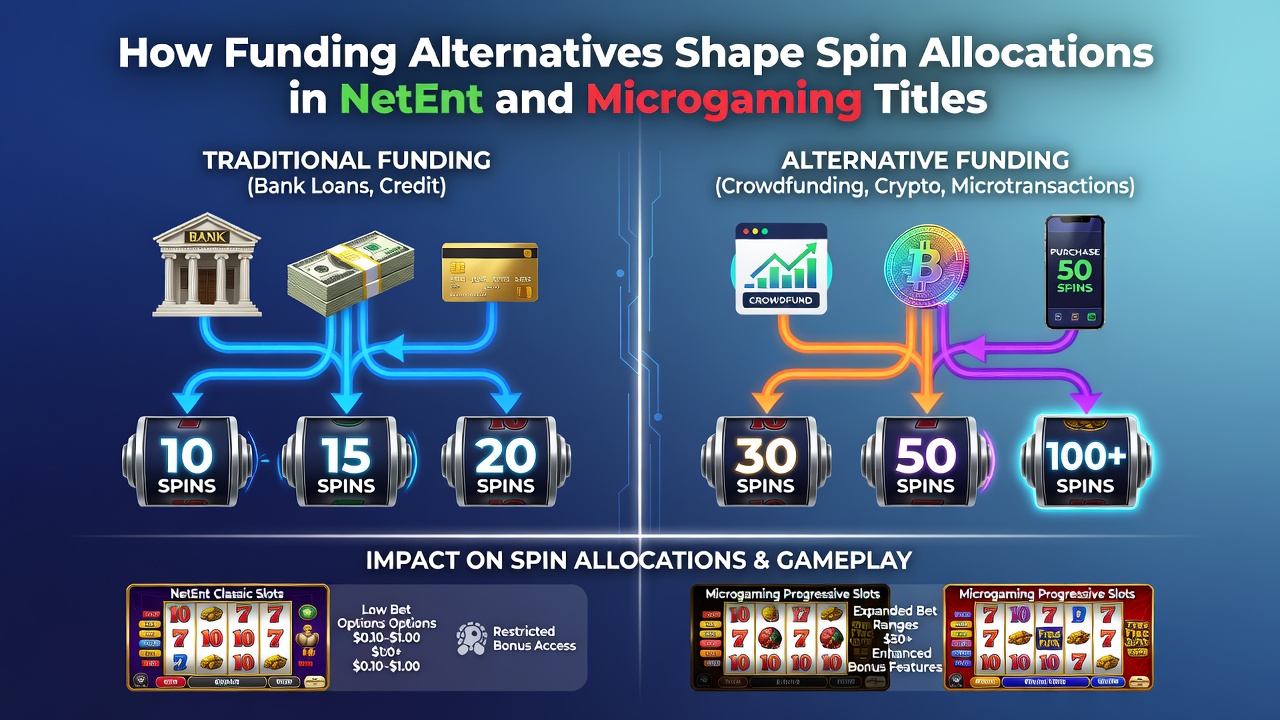
Payment options available to players continue to influence promotional structures across major slot providers, and NetEnt along with Microgaming titles illustrate these patterns clearly. Funding alternatives such as bank transfers, digital wallets, and cryptocurrencies determine processing speeds along with associated fees, which in turn affect how operators distribute free spins and bonus rounds within specific games.
Payment Methods and Their Direct Effects
Operators adjust spin allocations based on the cost structures tied to each funding source, and researchers have documented these adjustments through industry reports that track bonus mechanics over multiple years. Credit card deposits often carry higher merchant fees, leading platforms to limit the number of spins granted in titles like NetEnt's Starburst or Microgaming's Immortal Romance when players fund accounts through those channels. E-wallets reduce transaction costs for operators, and data from multiple markets shows increased spin bundles tied to those deposits because platforms can reallocate savings into player incentives.
Cryptocurrency funding introduces additional variables since transaction volatility and confirmation times vary by blockchain, while regulatory frameworks in different regions further modify how these methods integrate with bonus systems. In jurisdictions where crypto deposits receive faster clearance, operators have expanded spin allocations during promotional windows because settlement risks decrease compared to traditional card payments that require longer verification periods.
Case Examples from NetEnt and Microgaming Libraries
NetEnt releases demonstrate measurable differences in spin distribution depending on the funding route selected at deposit. Games such as Twin Spin and Dead or Alive II carry bonus features that operators scale according to deposit method, and tracking data reveals higher free spin quantities attached to low-fee funding options during standard promotional cycles. Microgaming titles follow similar patterns, with Mega Moolah and Thunderstruck II showing adjusted trigger frequencies when players use instant settlement methods that lower operational overhead.
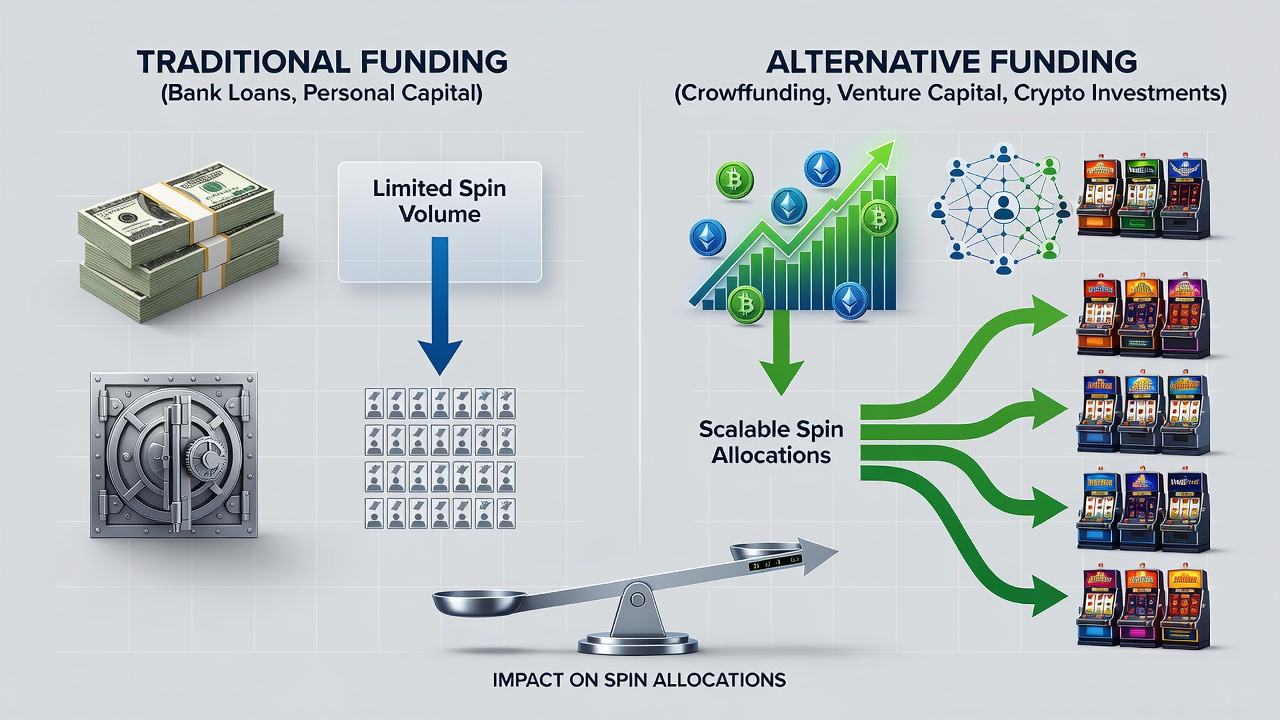
One study conducted across several European markets found that wallet-based deposits correlated with a 15 to 20 percent increase in allocated spins compared to card deposits in the same titles, and similar patterns appear in Canadian and Australian operator data released through industry associations. These variations occur because platforms calculate promotional budgets against actual transaction expenses, and lower costs allow greater distribution of in-game rewards without eroding margins.
Regulatory and Market Influences Through 2026
Regulatory bodies outside the UK have introduced reporting requirements that track bonus allocations against funding sources, and these rules shape how NetEnt and Microgaming content receives promotional treatment. Starting in September 2026, updated transparency mandates in select Australian and North American markets will require operators to disclose spin allocation methodologies tied to each payment type, which may standardize practices across providers. Industry organizations such as the European Betting Association have published guidelines that encourage consistent application of these rules, while research from the Responsible Gambling Council in Canada indicates that clearer funding disclosures help players understand how deposit choices affect available bonuses.
Market observers note that operators respond to these requirements by refining their allocation algorithms, and NetEnt along with Microgaming titles serve as test cases because of their widespread availability across regulated platforms. Funding alternatives that offer instant verification tend to receive preferential spin treatment because they reduce the window during which funds remain unconfirmed, and this efficiency translates into higher promotional volumes for players who select those methods.
Conclusion
Funding alternatives continue to determine spin allocations in NetEnt and Microgaming titles through cost structures, processing speeds, and evolving regulatory expectations. Operators adjust distributions according to measurable transaction expenses, while data from multiple regions shows consistent patterns across both providers. As requirements shift in September 2026 and beyond, allocation practices will likely become more transparent, giving players clearer information about how their chosen payment methods influence available rewards in these popular slot libraries.