Payment Pathway Variations Shaping Bonus Mechanics for Microgaming and NetEnt Slots
Willa Meier · Sep 15, 2026
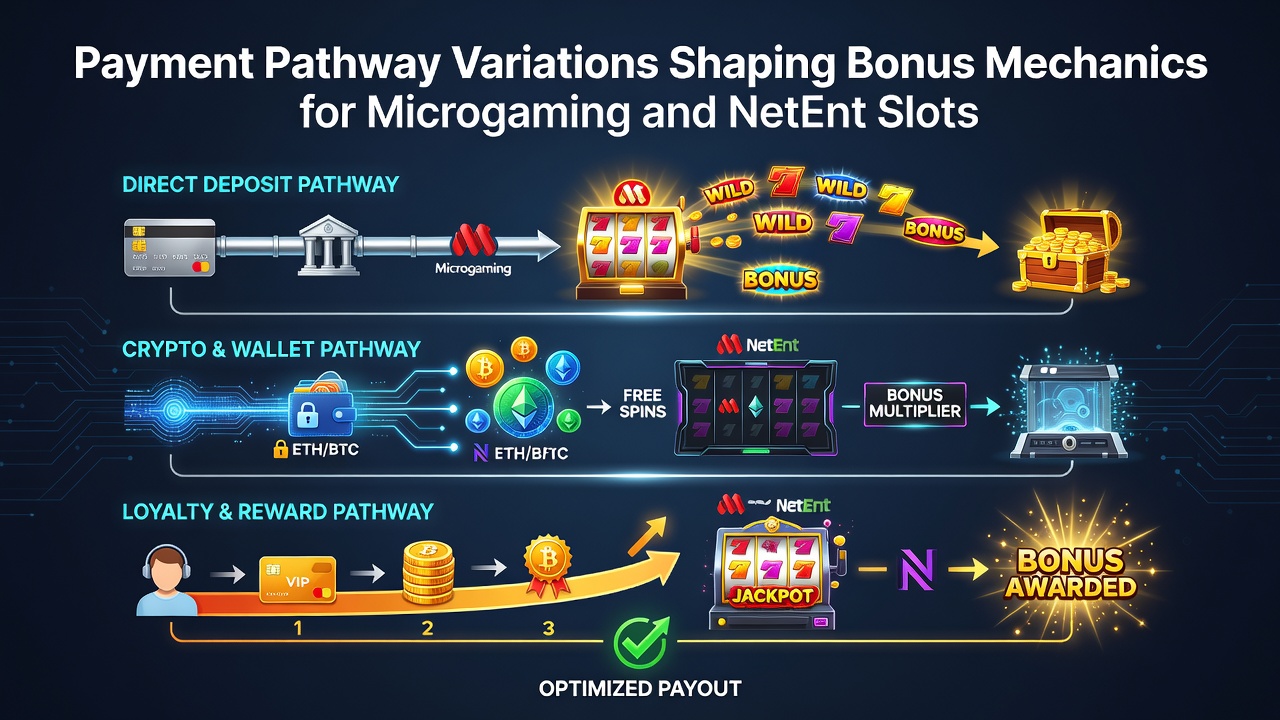
Payment Pathway Variations Shaping Bonus Mechanics for Microgaming and NetEnt Slots
Payment pathway variations influence bonus mechanics in Microgaming and NetEnt slots through differences in processing speeds, verification requirements, and regional availability that operators must account for when structuring promotions. Data from industry reports shows that e-wallet transactions often trigger faster bonus crediting compared to traditional bank transfers, while cryptocurrency options introduce distinct eligibility rules tied to volatility and anonymity features.
Core Payment Methods and Their Impact on Bonus Structures
Operators integrate credit cards, e-wallets, bank transfers, and digital currencies into slot platforms, yet each method carries unique constraints that reshape how bonuses activate and calculate. Research indicates that NetEnt titles frequently adjust free spin allocations based on deposit method, with e-wallet users receiving higher spin counts in certain jurisdictions because of quicker settlement times. Microgaming frameworks meanwhile tie wagering multipliers to payment source verification levels, creating layered bonus tiers that reflect the administrative overhead of each pathway.
Those who analyze transaction logs note that prepaid vouchers and mobile billing options limit maximum bonus amounts in both providers' catalogs, since these methods bypass standard account funding checks. Figures reveal that as of September 2026, adoption rates for instant payment solutions have risen across European markets, prompting Microgaming to standardize bonus expiry periods across all pathways to maintain consistency.
Regional Regulatory Influences on Mechanics
Regulatory bodies in different territories impose pathway-specific rules that directly alter bonus mechanics. The Malta Gaming Authority documentation outlines how operators must separate bonus funds by deposit origin, which affects how NetEnt progressive slots distribute winnings from matched deposits. In contrast, guidelines from the New Jersey Division of Gaming Enforcement require explicit disclosure of pathway-based restrictions, leading Microgaming to embed method-specific terms within game interfaces.
Observers note that Australian research from the Centre for Gambling Education and Research highlights variations where bank transfer deposits in NetEnt titles carry extended wagering periods compared to card-based funding. This stems from settlement delays that increase operator risk exposure. And yet cryptocurrency pathways, now tracked under Canadian provincial frameworks, allow Microgaming to offer reduced wagering requirements in select titles because blockchain verification accelerates compliance checks.
What's interesting is how these regional differences create global inconsistencies in bonus availability. Players accessing the same NetEnt slot through different payment routes encounter distinct free spin values and contribution percentages toward playthrough targets.
Technical Integration Patterns in Provider Software
Microgaming's backend systems process payment metadata to dynamically adjust bonus parameters within individual spins, while NetEnt employs server-side flags that alter reel behavior based on deposit pathway. Studies from the European Gaming and Betting Association demonstrate that these integrations reduce fraud incidence by 18 percent when pathway data feeds directly into bonus algorithms.
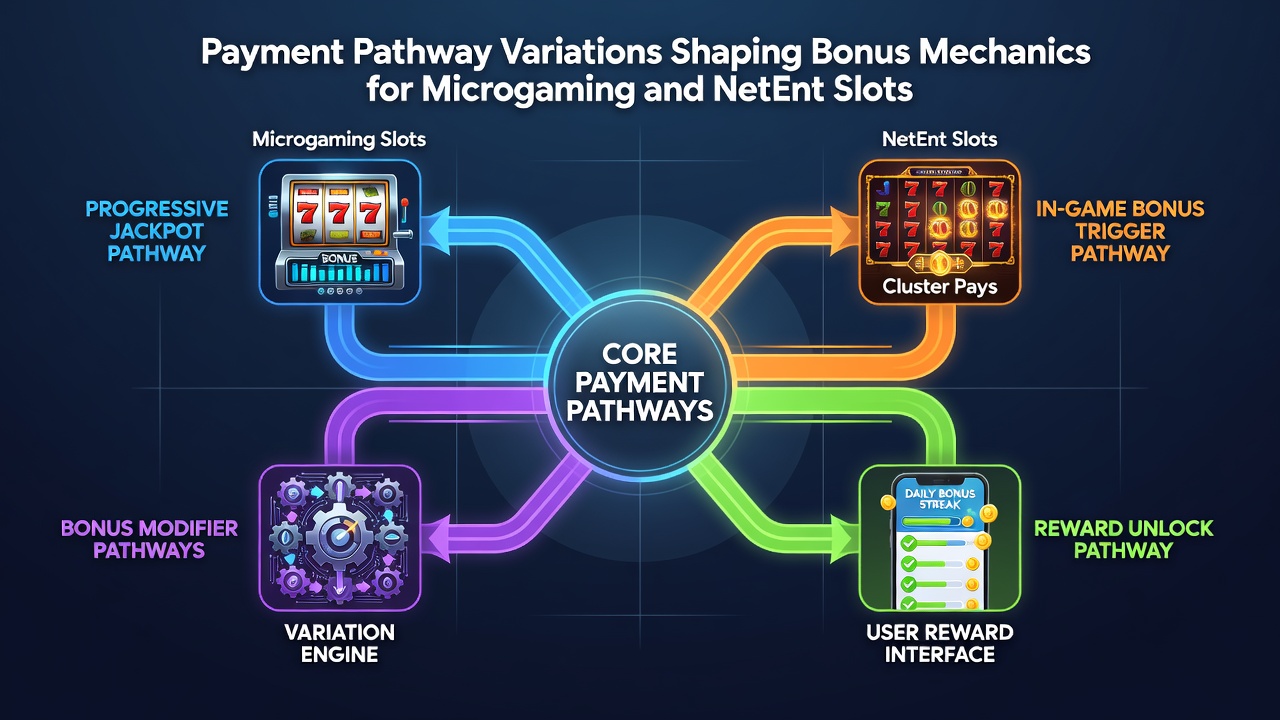
Engineers at both providers embed conditional logic that checks transaction velocity and source before unlocking bonus rounds. This approach means high-volume e-wallet deposits in Microgaming games often unlock progressive jackpot contributions at lower thresholds than slower bank methods. Data indicates that such mechanics maintain fairness across user segments while adapting to the operational realities of each payment channel.
Case Examples from Live Implementations
One documented rollout in Ontario showed NetEnt adjusting scatter symbol frequencies in selected slots for cryptocurrency users, aligning bonus triggers with faster confirmation times. Microgaming followed a parallel strategy in its European deployments by capping match bonuses on card payments to offset higher chargeback rates associated with that pathway. These adjustments reflect ongoing calibration between payment infrastructure and game mathematics.
Additional examples from South African operators reveal that mobile money integrations in Microgaming titles produce bonus mechanics with shorter validity windows, since instant transfers reduce the window for player inactivity. NetEnt responded by introducing pathway-agnostic loyalty multipliers that apply uniformly once initial verification clears, smoothing out discrepancies created by funding source variations.
Conclusion
Payment pathway variations continue to drive incremental refinements in how Microgaming and NetEnt structure slot bonuses, with processing characteristics and regulatory overlays dictating specific mechanical outcomes. Evidence from multiple jurisdictions shows these adaptations maintain operational balance while responding to evolving transaction landscapes. Continued monitoring of pathway adoption will likely produce further targeted adjustments in bonus parameters across both providers' portfolios.